
(Continued from February edition)
‘…William Shepherd, aged 14, guilty of affray and resisting arrest, sentenced to 3 months hard labour…’
In the spring of 1847, the new railway constructions brought further trouble to Harbury. While the Southam magistrates were able to ensure some protection for the village from the excesses of the navvies working on the Oxford to Birmingham branch line, trouble was to flare up again in the heat of that summer on two occasions.
The first incident was incited by a group of disgruntled labourers who became agitated and aggressive having been made to wait until midnight for their daily wage. In their frustration they began to throw stones at the Constructor’s hut door, demanding their pay. The police were called and one of the ringleaders was taken into custody. The following day the disturbances continued when a mob of some hundreds descended upon the police lock-up, attacking the constables and attempting to rescue the prisoner. In the furious attack several of the officers were injured and their ‘staves’ (truncheons) were broken into pieces. In the melee the prisoner was liberated and taken away, still wearing his manacles. In their triumph, the navvies declared: ‘…no policeman will take any of our men away from Harbury…’
Following the incident, it was declared that the village was in ‘…a state of disquiet…’ despite claims that measures would be taken to bring the offenders to justice. Later in the same month another riot developed, the catalyst seeming to be an attempt by the local constables to arrest a group of navvies who had been trying to steal fruit from an orchard. In the ensuing affray, several of the constables were injured, including P.C.s Edward Sheasby, William Hall and William Hayes. Ten navvies were arrested and charged with, ‘unlawfully resisting and promoting and encouraging others to resist arrest.’
What became apparent when the assailants were brought before the Justices at the Warwick Quarter Sessions in the October was the young age of some of their number. Known as ‘light gangers’, the boys were deemed old enough and strong enough to ‘cut out’ the work of their comrades in work and crime. All bar one of the prisoners: Joseph Collins, aged 32, William Cox (45), Charles Davis (17), Robert Newman (24), Thomas Pope (23), Stephen Skinner (16), James Warney (15) and William Shepherd (14), were found guilty and sentenced to three months in the Warwick House of Correction, with hard labour. George Aris (32), considered to be the ringleader, was given a sentence of six months with hard labour.
Although it was still claimed: ‘no property in the neighbourhood has been safe since that time,’ the example set by the court did seem to reduce tensions in the village, especially as the number of navvies employed on the cutting had been reduced by 1848 from fifteen hundred (at its highest) to six hundred and twelve. By 1850 there remained only three hundred navvies, with just one special constable in attendance earning 18s per week.
By 1852, doubtless to the relief of many villagers, the navvies moved on towards Leamington and Birmingham to complete the historic line.
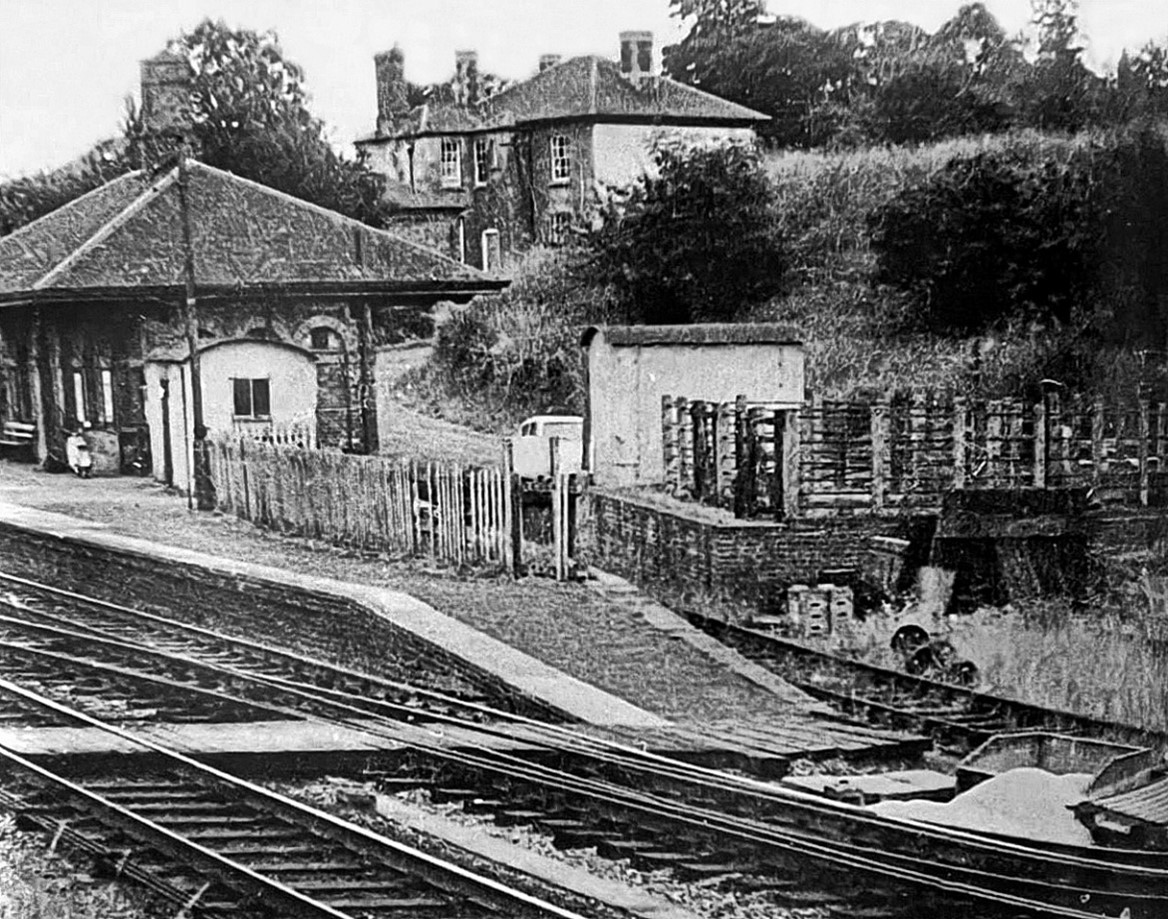
Southam Road and Harbury Station. In the background is the Station Hotel, now the Great Western Public House
Southam Heritage Collection is located in the atrium of Tithe Place opposite the Library entrance. Opening times Tuesday, Thursday, Friday and Saturday mornings from 10am to 12 noon. To find out more about Southam’s history, visit our website www.southamheritage.org telephone 07710 012052 or email southamheritage@hotmail.com You can also follow us on Facebook.
Leave A Comment